Pujas

Pujas in Tibetan Buddhism are devotional ritual ceremonies—often called "prayer gatherings"—used to make offerings to enlightened beings (Buddhas, bodhisattvas, and protectors) to accumulate merit, purify negative karma, and remove obstacles. These ceremonies involve chanting, visualization, and music to foster devotion and spiritual progress, and they are performed for purposes such as healing, long life, and success.
Key Aspects of Tibetan Pujas:
Meaning: Derived from Sanskrit, puja signifies honoring, worshiping, or showing reverence. In Tibetan, they are often referred to as mchod (offering).
Purpose: They are designed to create positive energy (merit), purify the mind, and create a connection with the deity or teacher.
Core Structure (Seven Limbs): Most pujas are based on the seven-limb prayer: prostrations, offerings, confession of wrongdoings, rejoicing in virtue, requesting teachers to remain, asking for teachings, and dedicating merit.
Ritual Elements: Pujas involve chanting in Tibetan or English, music with bells and drums, and physical offerings of flowers, incense, water, and food.
Common Types: Examples include Guru Puja (Lama Chopa), Medicine Buddha Puja (for healing), and Tara Practice.
Fire Pujas: Specialized, intense rituals (like sngu or jinsek) involve burning offerings to symbolize inner purification.
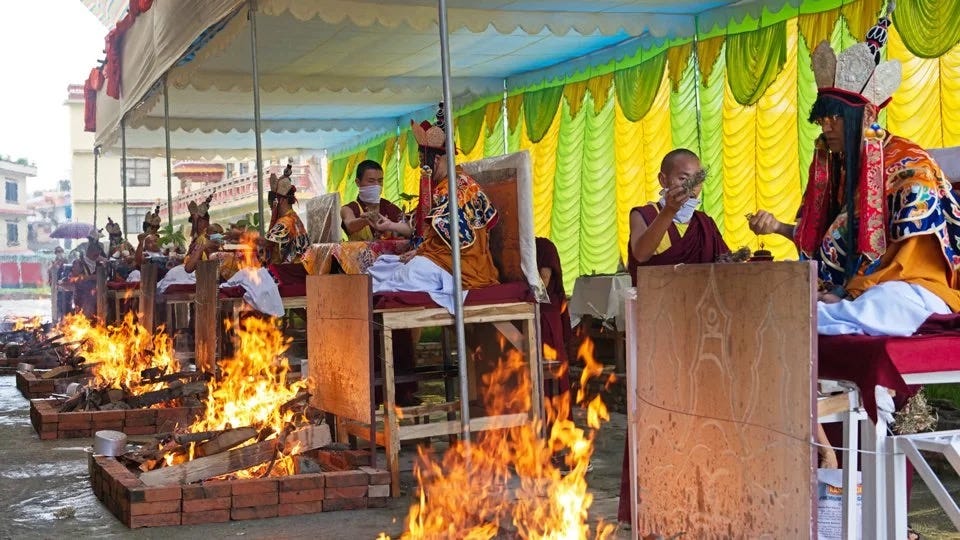
Pujas are integral to Tibetan Buddhism, often held in monasteries to commemorate milestones in Buddha’s life or on specific lunar days. They can be attended by anyone, regardless of experience level
@Jack Lhasa @Charles Minguez
Another great post! Love Lama Chopa. I try to do it twice a month. The practice of the seven limbs is a beautiful practice 🙏🏼